
10 Fun Kannada Rajyotsava Activities for Kids at Home & School
Every year, the 1st of November is celebrated as Kannada Rajyotsava in Bangalore and across other regions in Karnataka. The date marks the historic unification of all Kannada-speaking regions in South India. Such traditions are important for children to take in experiences where they participate actively—the song they sang, the story they heard, the food they tasted, the game they played or the craft they created. This participation can be encouraged through fun activities at home and school. In this guide, we’ll list 10 such activities children can participate in at home & school to turn the celebration into an experience they remember.
10 Kannada Rajyotsava Activities for Kids at Home & School
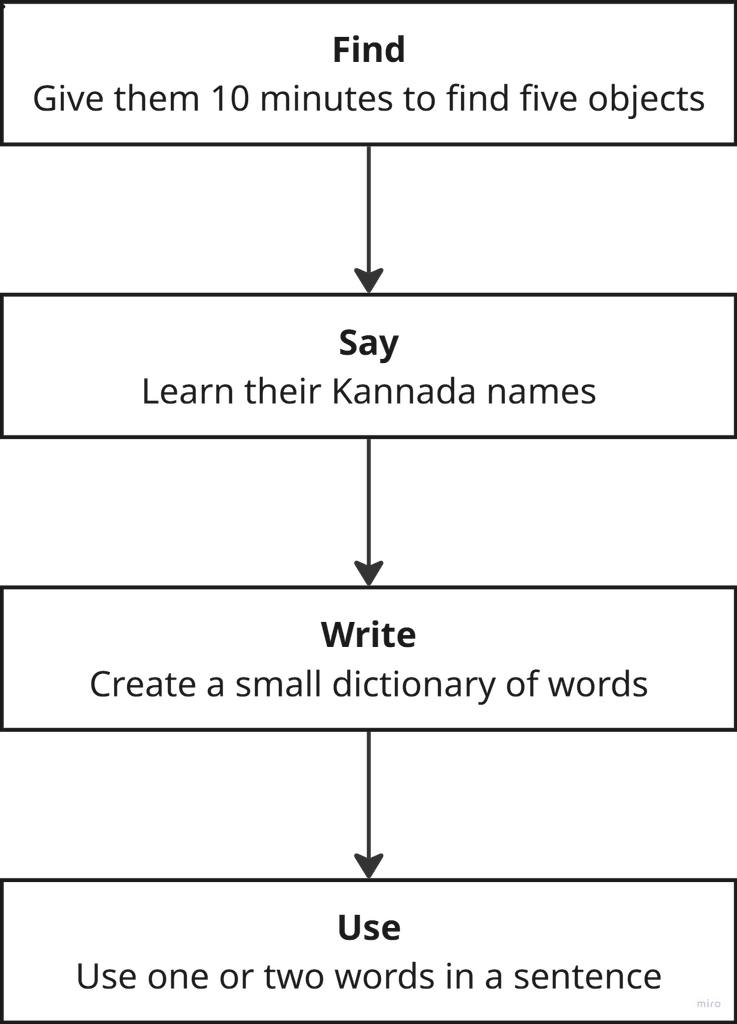
- Go on a Kannada Word Hunt
This turns the whole school and home into their learning center. Teach them Kannada translations of everyday objects such as books, flowers, fruits, doors, chairs or other familiar items.
- Create a Little Karnataka Map
Give children a map of Karnataka, and ask them to explore and highlight the different parts of the state. Help them connect every district to a cultural experience instead of promoting memorization. For example:
| Place | Cultural Cue |
| Hampi | Heritage |
| Mysuru | Palace and cultural traditions |
| Kodagu | Coffee-growing region |
| Coastal Karnataka | Coastal traditions and Yakshagana |
| Channapatna | Traditional wooden toys |
Children can also draw pictures, paste images or write one interesting fact beside each location.
- Set Up a Kannada Storytelling Corner
The whole Indian culture is based on stories that have been passed down through generations. Tell your children a story or traditional tale from Karnataka, and follow up by asking:
- Who was your favourite character?
- What happened first?
- What happened next?
- What would you have done differently?
- What did the story teach you?
- Can you create a different ending?
Children will develop language, imagination, listening and communication skills. These can especially be encouraged by the best schools in Bangalore, where they can ask students to narrate or perform a story.
- Explore Karnataka Through Folk Art
Art is innate to every culture. Children can create their own interpretations. At school or home, they should be introduced to a Karnataka folk or traditional art form, performance or cultural style. They can then create whatever they are inspired by from their observations.
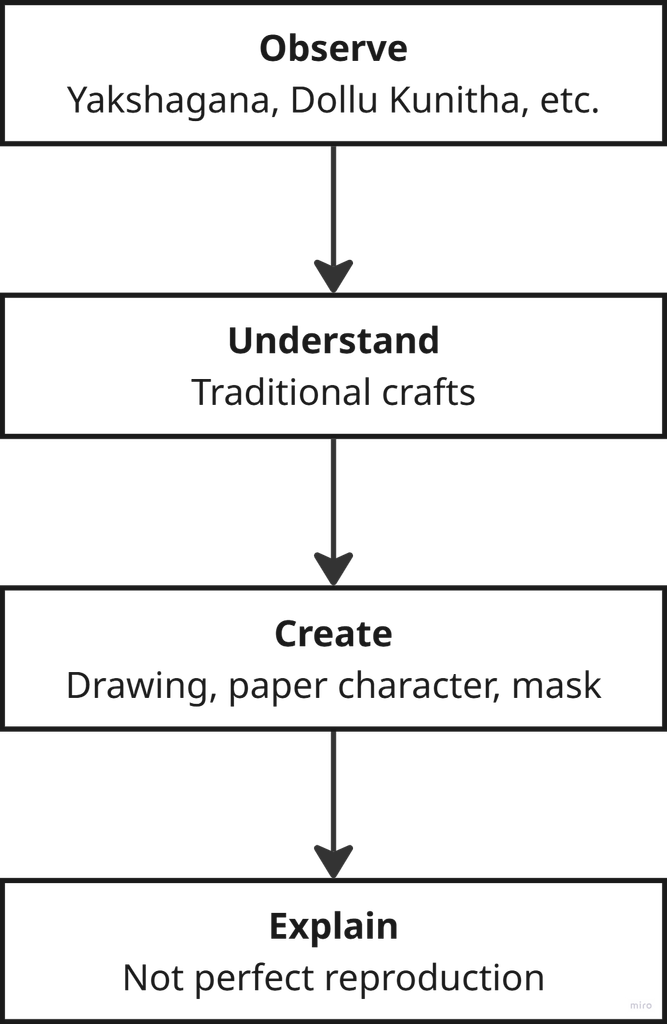
This aligns directly with the holistic education approach of schools where they learn something beyond just books.
- Organise a Traditional Games Challenge
Today’s children are exposed to a variety of digital games, but they are forgetting what it is like to play traditional games. Schools & parents can teach them to play games such as Chaukabar and other indigenous games. The focus is not winning, but understanding how it is played. A traditional game can involve strategy, coordination, communication and teamwork—all while getting children moving.
- Create a Karnataka Food Explorer Passport
Every food also carries cultural learning. Children can become food explorers as they taste and learn about new dishes at the same time. They can create a Karnataka Food Passport where each page can contain:
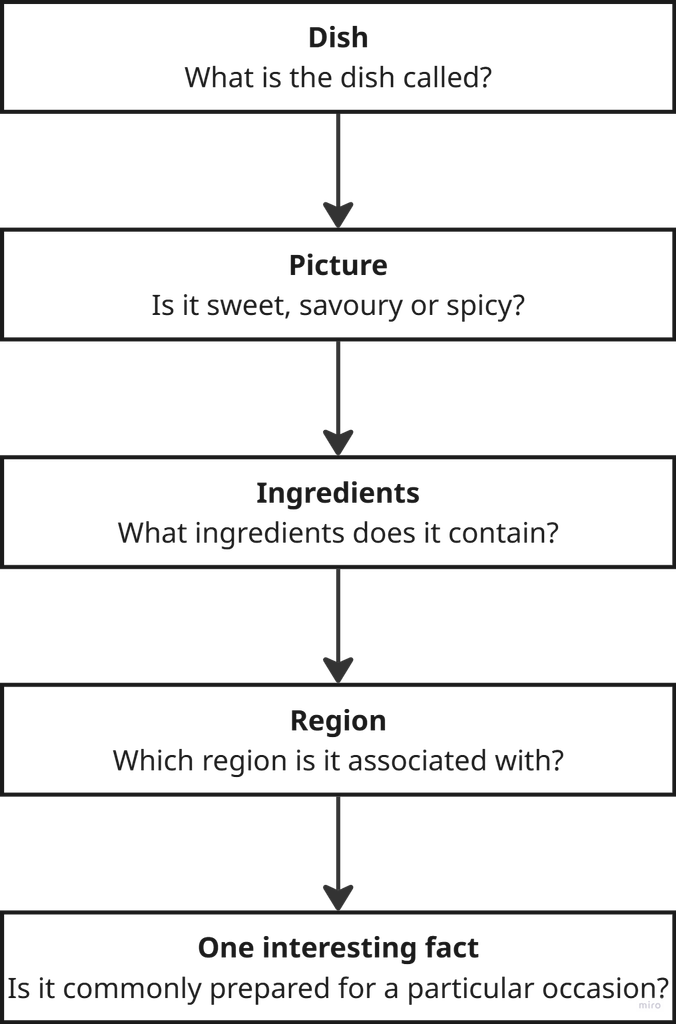
The best schools in Varthur, Bangalore, like Vishwa Vidyapeeth, are already aligned with this with their weekly nutrition schedules at school.
- Learn a Kannada Song or Folk Dance
A Kannada Rajyotsava celebration can become more lively through folk songs and dances. Children can:
- learn a simple chorus
- identify repeated Kannada words
- clap along with the rhythm
- create simple movements
- learn a little about where the song or dance comes from
At schools, children can be encouraged to participate in events where they can showcase their performances. And at home, children and parents can basically celebrate together.
- Try the “Meet a Kannadiga” Research Project
Children can learn about a personality who’s recognized for their contributions to the state. This is among the most effective ways to introduce Karnataka culture for kids. Children can follow a simple template:
| Name | LiteratureScienceSportsMusicArtCinemaSocial workHistoryPublic life |
| Field | |
| Contribution | |
| One interesting fact | |
| Why I find this person inspiring |
This makes Kannada Rajyotsava an opportunity to develop research, reading, writing and presentation skills.
- Organise a Karnataka Heritage Treasure Hunt
Turn cultural learning into a game. Prepare clues based on Karnataka’s heritage, places, art forms and traditions. This game could roll out like the following:
| Clue | Answer |
| I am a famous heritage site connected with the Vijayanagara Empire. Can you find me? | Hampi |
| I am famous for colourful wooden toys. | Channapatna |
| I am a traditional performance associated with coastal Karnataka. | Yakshagana |
Parents or teachers can further enhance this gamification by awarding children with a “Karnataka Culture Explorer” badge, encouraging them to become better problem solvers, readers, and team workers.
- Let Children Create Their Own Mini Kannada Rajyotsava
This brings together all Kannada Rajyotsava activities from before. Instead of doing everything yourself, let children plan the celebration. Here’s how everyone can do it:
| Team 1 | Creates a Kannada welcome board |
| Team 2 | Prepares a quiz |
| Team 3 | Chooses a story |
| Team 4 | Prepares a Karnataka map |
| Team 5 | Organizes a traditional game |
| Team 6 | Creates an art display |
| Team 7 | Prepares a short song or performance |
| Team 8 | Coordinates the different groups |
This promotes Kannada Rajyotsava for children, by children, where they create their own celebration.
Final Thoughts
Even traditions like Kannada Rajyotsava can become a source of learning for children, if done correctly. Schools and parents can inculcate this through sensory experiences where students interact with culture through touching it, hearing it, creating it, questioning it, and sharing it. The goal is not to make this a one-day event, but to help children develop curiosity and respect for the culture around them throughout the year.
Frequently Asked Questions (FAQs)
Why is Karnataka Day celebrated?
It is celebrated to mark the unification of all Kannada-speaking regions into a single state in 1956.
How many years of Kannada Rajyotsava 2026?
Kannada Rajyotsava 2026 marks the 70th anniversary of the formation of the state of Karnataka.
Can children who do not speak Kannada participate?
Absolutely. Kannada Rajyotsava activities can introduce children to the language gradually while also exploring Karnataka’s art, food, geography, stories, heritage and traditions.
Why should children learn about Karnataka culture?
Learning about local culture can help children understand language, traditions, history and heritage while developing appreciation for the diversity that exists within India.